
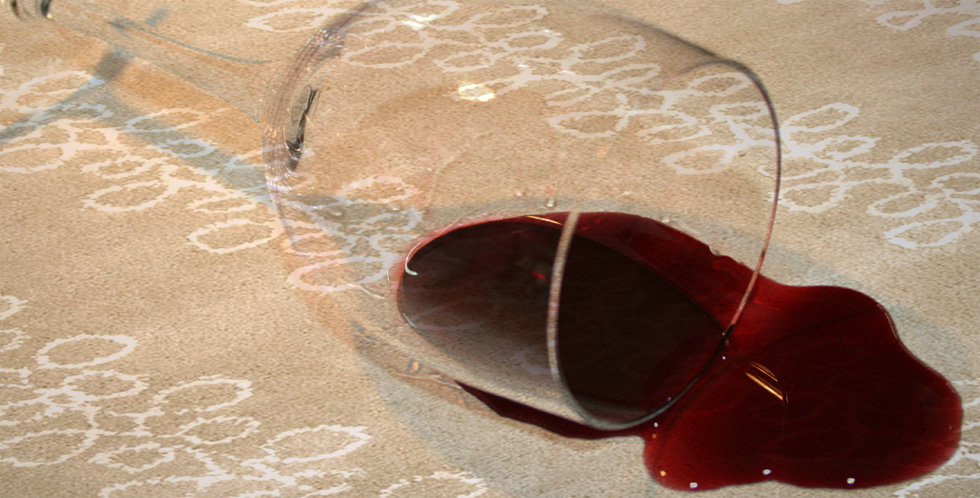
After you buy a rug at ModernRugs.com and put it on your floor, you will want to keep it looking its best for years to come. Most of our rugs are wool, which has a natural resistance to stains and soil — but regular cleaning is necessary to prevent the breakdown of natural fibers.
So you just bought a new rug? It's beautiful. And we are sure you couldn't wait to get home with it and roll it out. You probably didn't sweep up the dirt on the floor before you rolled it out, and when it snows and there is salt all over the place, you probably don't realize the rug is acting like a sponge soaking up all of that salt and road oil.
In the spring, more rain, more mud, more dirt, more grit acting like sandpaper on the wool in your prized possession. And the moths that you never treated are now hatching, possibly in the back of your rug. When the moth is old enough to fly away and you see it, the damage is done — you vacuum your carpet and the pile comes out. There is nothing holding the pile onto the foundation.
And pets. You love cats and dogs. And they're great house pets, 99% of the time. That other 1%, when they're sick and can't help themselves, they have biological accidents — the same as dropping a yellow dye on your rug 3 times a year.
How often should you clean your rug? At a minimum every 3 years. Treat spots at home with the remedies below as soon as they occur. When you get your rug cleaned professionally, ask the dealer if he has a "beater" — a mechanized method of hitting the back of the rug with straps to remove as much dry dirt as possible before the rug gets wet. The Carpet and Rug Institute suggests a "beater" will remove 4–9 pounds of dry dirt from a 9×12 rug. That's a lot of dirt.

Stain Removal Chart
Listed below are 7 Stain Removers that can be used singly or in combination to combat a stain. When you apply these agents, blot or dab onto the spot — don't rub. Work from the outside of the stain inward toward the center.
| Stain | Wool | Acrylic | Nylon | Olefin | Polyester |
|---|---|---|---|---|---|
| Animal Glue | F | F | A,G | F | F |
| Argyrol | A,G | A,G | A,G | A,G | A,G |
| Ball Point Ink | B,C then A,G | B,C then A,G | B,C | B,C | B,C |
| Beer | A,G | A,G | A,G | A,G | A,G |
| Catsup | A,G | A,G | A,G | F,A,G | F,A,G |
| Carbon Black | Vacuum A,G | Vacuum A,G | Vacuum B,C | Vacuum B,C | Vacuum B,C |
| Chewing Gum | C | C | C | C | C with steam |
| Clay | Vacuum A,G | Vacuum A,G | Vacuum A,G | Vacuum A,G | Vacuum A,G |
| Cola | A,G | A,G | A,G | A,G | A,G |
| Coffee | A,G | A,G | A,G | A,G | A,G |
| Colored Paper | A,G | A,G | A,G | A,G | A,G |
| Crayon | B,G | B,G | B,C | B,C | B,C,A,G |
| Duco Cement | B,C | B,C | B,C | B,C | B,C |
| Egg | A,G | A,G | A,G | A,G | A,G |
| Enamel | B,F,A,G | B,F,A,G | B,F,A,G | B,F,A,G | B,F,A,G |
| Food Dye | A,G | A,G | A,G | A,G | A,G |
| Fruit Juice | A,G | A,G | A,G | A,G | A,G |
| Furniture Dye | B,C,F,A,G | B,C,F,A,G | A,B,C | B,C | B,C,A,G |
| Furniture Polish | B,C,F,A,G | B,C,F,A,G | A,G,C | B,C | B,C,A,G |
| Grape Drink | A,G | A,G | A,G | A,G | A,G,C |
| Gravy | A,G | A,G | A,G | A,G | A,G,C |
| Grease, Car | C | C | C | C | B,C |
| Ice Cream | A,G | A,G | A,G | A,G | A,G |
| India Ink | B,C,A,G | B,C,A,G | A,G | A,G | B,C,A,G |
| Iron Rust | Vacuum D,G | Vacuum D,G | Vacuum D,G | Vacuum D,G | Vacuum D,G |
| Latex Paint | B,F,A,G | B,C | A,G | B,C | B,C,A,G |
| Linseed Oil | C | C | C | C | C |
| Lipstick | B,C | B,C | B,C | B,C,A,G | B,C,A,G |
| Merthiolate | A,G | A,G | A,G | B,C,A,G | B,C,A,G |
| Milk | B,C,A,G | A,G | A,G | A,G | A,G |
| Mustard | A,G | A,G | A,G | A,G | A,G |
| Nail Polish | — | — | E | F,B,C | F,C |
| Oil, Car | C | C | C | C | C |
| Oil, Paint | B,F,A,G | B,F,A,G | B,C | B,C | B,C,A,G |
| Permanent Ink | A,G | A,G | A,G | A,G | A,G |
| Plaster | Vacuum A,G | Vacuum A,G | Vacuum A,G | Vacuum A,G | Vacuum A,G |
| Rouge | — | — | — | — | A,G |
| Rubber Cement | B,C | B,C | B,C | B,C | B,C,A,G |
| Shoe Dye | — | — | — | B,C | C |
| Shoe Polish (Liq.) | B,C,A,G | B,C,A,G | A,G,C | B,C | C |
| Shoe Polish (Wax) | B,A,G | B,A,G | C | B,C,A,G | C |
| Tar | C | C | C | C | C |
| Tea | A,G | A,G | A,G | A,G | A,G |
| Tobacco | — | — | — | A,G | A,G |
| Urine | A,G | A,G | A,G | A,G | A,G |
| Washable Ink | A,G | A,G | A,G | A,G | A,G |
| Water Colors | A,G | A,G | A,G | A,G | A,G |
| Wax Candle | Steam, C | Steam, C | Steam, C | Steam, C | Steam, C |
Code of Recommended Stain Removers
- A. Detergent solution — one teaspoon of a neutral detergent (such as Lux, Dreft, or Vel) and one teaspoon of white vinegar in a quart of warm water.
- B. Paint Remover — should not contain any oil. Lacquer thinner may also be used.
- C. Dry Cleaning Fluid — any common brand used according to manufacturer's instructions.
- D. Rust Remover — brands such as Erusticator or Rust Go are recommended.
- E. Acetone — common drugstore brand or nail polish remover without lanolin, or lacquer thinner.
- F. Alcohol — rubbing, denatured, or isopropyl.
- G. Water
Note: If there is no recommended procedure for removing a stain on a specific pile fiber, call a professional carpet cleaner and provide the information about the staining problem.
Rug Care by Fiber Type
Wool or Silk-Wool Blend
Due to its composition, wool rugs will produce shed fluff for a considerable period of time. Frequent vacuuming is recommended. Do not let stains dry and apply the most suitable products to eliminate them. We recommend not bringing rugs to a laundry too often as they could become damaged — if needed, use only a laundry that specializes in rug cleaning. Hand-tufted rugs with latex backing should not be dry cleaned.
- Remove glue stains with Rubbing Alcohol.
- Remove beer, catsup, mustard, ice cream, soda, tea, coffee, food dye, fruit juice, grape drink, gravy, pet stains, washable inks, plaster, and watercolor stains with a Detergent Solution (one teaspoon neutral detergent and one teaspoon white vinegar in a quart of water) and Water. Vacuum the carpet first, apply the solution with a damp sponge, clean with a cloth, and leave to dry.
- Remove grease, oil, tar, and wax stains with Dry Cleaning Solvent. Test on a corner for colorfastness first. Candle wax stains may also require steam.
- Remove mud and general dirt with a mild Ammonia Solution. Let mud dry, brush, then apply the solution with a damp sponge. Clean and leave to dry.
- Remove paint, lipstick, shoe polish, India ink, furniture polish, enamel, crayon, and ball point ink with Paint Remover and Dry Cleaning Solvent. Rubbing alcohol and/or the detergent solution may also be necessary for enamel and polish stains.
Acrylic
Generally speaking, the same rules of rug care apply to acrylic rugs as wool rugs.
- Remove glue stains with Rubbing Alcohol.
- Remove beer, catsup, mustard, ice cream, soda, tea, coffee, food dye, fruit juice, grape drink, gravy, pet stains, washable inks, plaster, and watercolor stains with a Detergent Solution and Water. Vacuum first, apply with a damp sponge, clean with a cloth, and leave to dry.
- Remove grease, oil, tar, and wax stains with Dry Cleaning Solvent. Test on a corner for colorfastness first.
- Remove mud and general dirt with a mild Ammonia Solution. Let mud dry, brush, then apply with a damp sponge. Clean and leave to dry.
- Remove paint, lipstick, shoe polish, India ink, furniture polish, enamel, crayon, and ball point ink with Paint Remover and Dry Cleaning Solvent.
Flokati
Like all fine home products, a Flokati area rug requires care and attention. Because of its construction and fine quality, a Flokati rug deserves more attention than your basic hand-tufted or hand-knotted area rug. We recommend DO NOT VACUUM your Flokati rug — instead follow these 3 steps.
For rugs up to approximately 24 sq. ft.:
- Step 1 — Shake: Take your Flokati rug outdoors and shake it to eliminate dirt that collects inside the wool hairs.
- Step 2 — Air: Leave it outside for a few hours to eliminate indoor odors and help the wool fibers regain oxygen. Avoid direct sunlight.
- Step 3 — Wash: Place in a washing machine on a delicate cycle with a touch of mild soap for woolens. Once complete, hang dry completely. Do not use a dryer. Once dry, brush with a metal (dog) brush from the center outward to "fluff" the rug.
For larger rugs (over 24 sq. ft.):
- Step 1 — Shake: Take outdoors and shake to eliminate dirt. For very large rugs, hang from a line and shake from the corners. Larger rugs may require a second person.
- Step 2 — Air: Leave outside for a few hours to eliminate indoor odors and enhance the wool fibers. Avoid direct sunlight.
- Step 3 — Wash: Sprinkle with cold water using a spray bottle. Brush with a metal (dog) brush from the center outward. Shake at the corners to allow the water to resurface. Allow to dry before taking it back inside.
You may notice some wool hairs get caught in the brushing process — this is completely normal and not detrimental to your Flokati rug.
Common Issues
Although we stand behind our product 100% and will always return defective merchandise, there are common issues inherent in area rugs that need to be explained. The issues below are not considered defects and are not grounds for return.
Shedding
All wool rugs will shed. Hand-knotted rugs shed less than tufted.
Fading
Rugs in direct sunlight will fade over time. Rotate your rug regularly.
Sprouts
Loose fibers are common in handmade rugs. Clip with scissors — do not pull.
Wear
Rotate rugs every 3–6 months to distribute traffic evenly.
Creases
Creases from packaging should disappear within a week or two. Try reverse rolling.
Odor
Rugs recently removed from their bag may have a slight odor. This will dissipate within a week.
General Care & Cleaning
Like any investment, if you want it to last you must take care of it properly.
Vacuuming
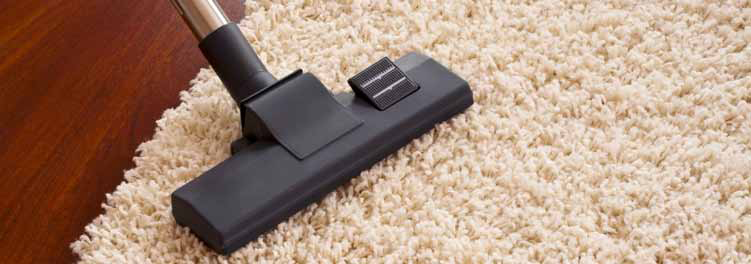
The most damaging effect on area rugs is improper vacuuming. Extra care must be taken.
- High-powered vacuums (bagless Dysons, Orecks) will pull threads out of the back of rugs and cause sprouts. Use the handheld attachment to vacuum your rug.
- Beater bars will pull fibers from the face of the rug or cause the face to fuzz. Turn the beater bar off, or set it to the highest setting.
- Rug edges and serging are very sensitive. Running the vacuum over the edges will cause the serging to deteriorate. Carefully place your vacuum on the edge of the rug.
- Fringes will be destroyed by all vacuums. Use the handheld attachment to clean fringes.
Brooms and sweepers are a great, gentle way to clean your rug. Canister vacuums without beater bars are the most effective.
Spot Cleaning
- If you spill on a rug, clean it immediately. Once the stain sets it becomes much harder to remove.
- Never rub a spill — it forces the stain deeper into the rug. Blot with a clean white cloth.
- On wool rugs, use lukewarm water or a wool cleaning liquid to remove any residual stain.
- On synthetic rugs, a Stain Remover, Fantastic, or 409 can be used to remove grease and stubborn stains.
- On natural fiber grass rugs, use lukewarm water to remove any residual stain.
- Always use clean water to remove any residual cleaner, and dry towels to absorb remaining moisture.
Professional Cleaning
- Always use a professional area rug cleaning expert. Cleaning a handmade rug is different from cleaning wall-to-wall carpet.
- Inspect the rug with the cleaner before it is cleaned. Get a signed receipt and guarantee of work before the work is done.
Extend the Life of Your Rug
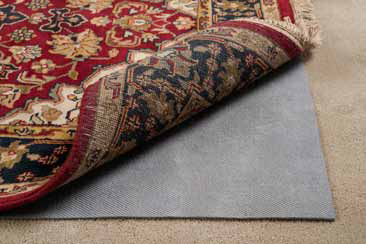
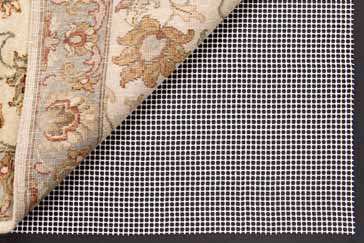
We recommend a rug pad underneath every area rug.
- A rug pad extends the life of your rug by absorbing wear and tear from friction between floor and rug.
- Rug pads help avoid accidents from slipping on moving rugs and tripping on turned-up edges.
- They provide extra cushion on hard surfaces for your feet.
Specific Cleaning Guidelines
Synthetic Fibers — Olefin / Polypropylene / Nylon
- With a dry cotton towel or white paper towel, blot out stain as much as possible.
- Scrape off any food or debris with a dull instrument.
- Mix a very small amount of dish soap with a cup of cold water.
- Blot area with dry towel.
- Fantastic and 409 can be used to remove grease and stubborn stains.

Wool Rugs
- With a dry cotton towel or white paper towel, blot out stain as much as possible.
- Scrape off any food or debris with a dull instrument.
- Mix a very small amount of dish soap with a cup of cold water.
- With a clean sponge and soap mix, gently remove the remainder of the stain. Avoid using excessive water.
- Blot area with dry towel.
- Avoid excessive heat or agitation. We recommend using a professional rug cleaner on an annual basis. Wool rugs are more prone to bleeding and staining than synthetic counterparts — prompt and careful cleaning is essential.

Indoor / Outdoor Rugs
- With a dry cotton towel or white paper towel, blot out stain as much as possible.
- Scrape off any food or debris with a dull instrument.
- Mix a very small amount of dish soap with a cup of cold water.
- With a clean sponge and soap mix, remove the remainder of the stain.
- Allow area to dry.
- For all-over cleaning, spray with a mixture of soap and water and rinse with a garden hose.

Natural Fiber Rugs — Jute / Hemp / Coir / Sisal
- Natural fiber rugs have an inherent quality of loose fibers and knots. Regularly vacuum on a low-power setting from different angles.
- Trim loose threads on the face with household scissors — do not pull, to avoid unraveling or damage.
- Blot spills with a clean, undyed cloth from the outer edges inward. Work gently and do not saturate. If using cleaning solvents, test on a small area first. For stubborn stains, use a professional cleaning service. Do not dry clean.

Shag Rugs
- Spray extraction with wool-approved products will help solve the cleaning issue.
- Shedding is a normal feature in a wool product and decreases over time. Do not pull the yarn out — this may result in damage to the rug.
- Canister vacuums without a beater bar are most effective. Vacuums with beater bars and brushes, or those set too low, may abrade the face of the rug.